
For decades, many communities throughout the Appalachian region experienced slow, steady growth. Today, that's changing.
Cities like Chattanooga, Knoxville, Asheville, Greenville, and many smaller mountain communities have seen an influx of new residents, businesses, and housing developments over the past several years. Improved broadband access, remote work, outdoor recreation, and a lower cost of living have made the region an attractive place to live and invest.
While new homes and businesses are the most visible signs of growth, much of the work happens underground.
Every new subdivision, apartment complex, medical facility, manufacturing plant, or commercial development depends on utility infrastructure that most people never see. Water, sewer, electrical service, natural gas, telecommunications, and fiber all have to be expanded before construction can move forward.
Growth Begins Below Ground
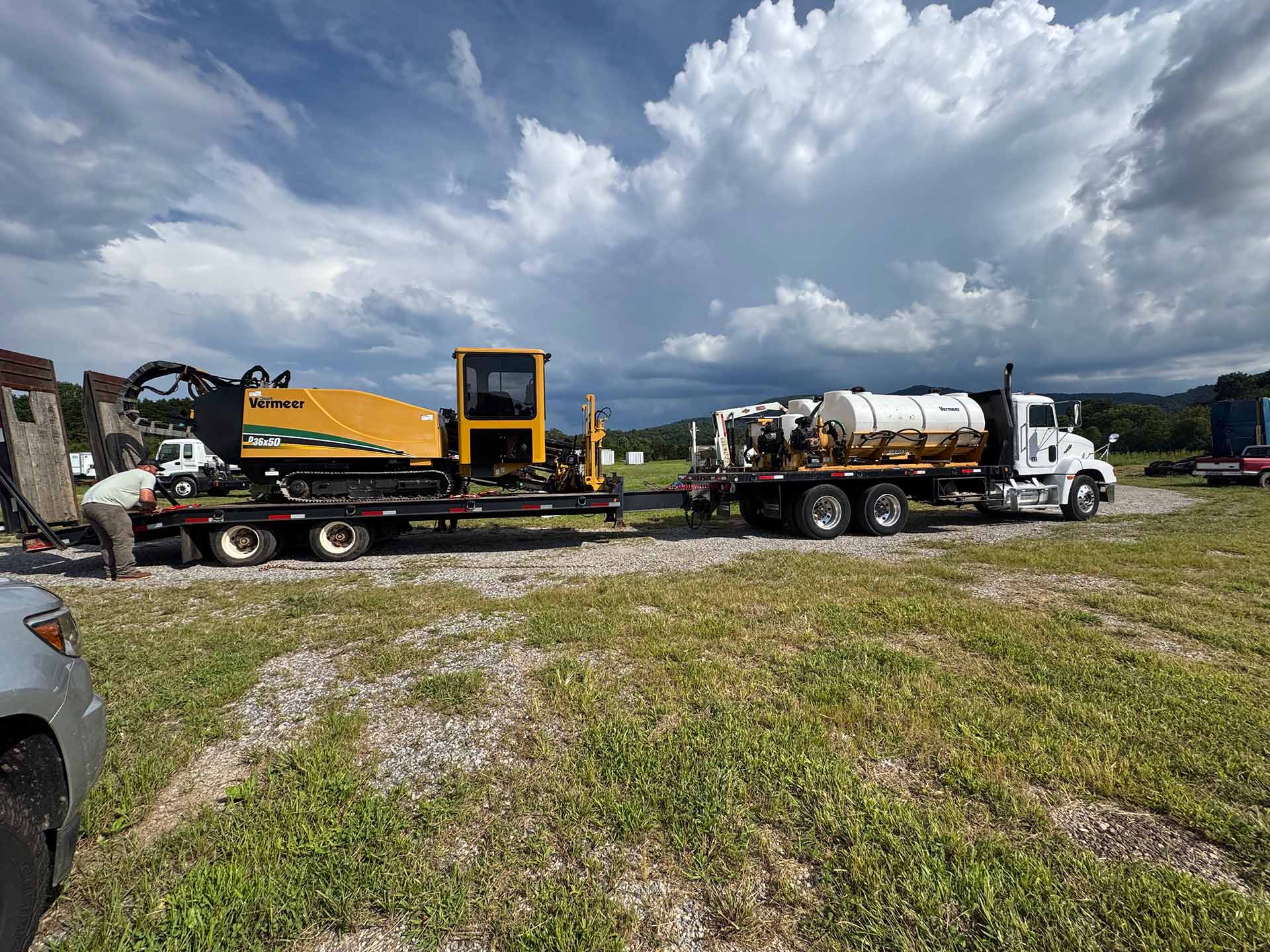
Before roads are paved or buildings go up, underground utilities must be installed. In many Appalachian communities, that's easier said than done.
Mountain terrain presents challenges that aren't found in flatter parts of the country. Steep grades, rocky soils, winding roads, creeks, and dense forests all make underground utility installation more complex. Add existing infrastructure into the equation, and every project requires careful planning.
As communities continue to expand, utility providers need installation methods that can adapt to these conditions while minimizing disruption to surrounding roads, businesses, and neighborhoods.
Why Directional Drilling Fits the Region
Horizontal Directional Drilling (HDD) has become an important part of utility construction throughout the Appalachian region because it allows crews to install underground utilities with far less surface disruption than traditional trenching.
Directional drilling can often eliminate the need to cut across roads, disturb established landscapes, or excavate long trenches through difficult terrain.
It's commonly used for installing:
- Water mains
- Sewer infrastructure
- Electrical conduit
- Natural gas lines
- Telecommunications systems
- Fiber optic networks
Whether crossing a mountain roadway, navigating rocky ground, or working through an established downtown corridor, HDD provides flexibility that traditional excavation often cannot.
Supporting Communities Without Disrupting Them
Many Appalachian towns have unique characteristics that make infrastructure projects especially challenging. Historic downtown districts, narrow roads, trees, parks, rivers, and mountainous terrain all require thoughtful construction methods.
Directional drilling helps reduce the impact on these communities by limiting excavation while allowing utilities to be installed beneath roads, driveways, sidewalks, waterways, and other obstacles.
That means fewer road closures, less restoration work, and a smoother construction process for residents and businesses alike.
Experience Makes the Difference
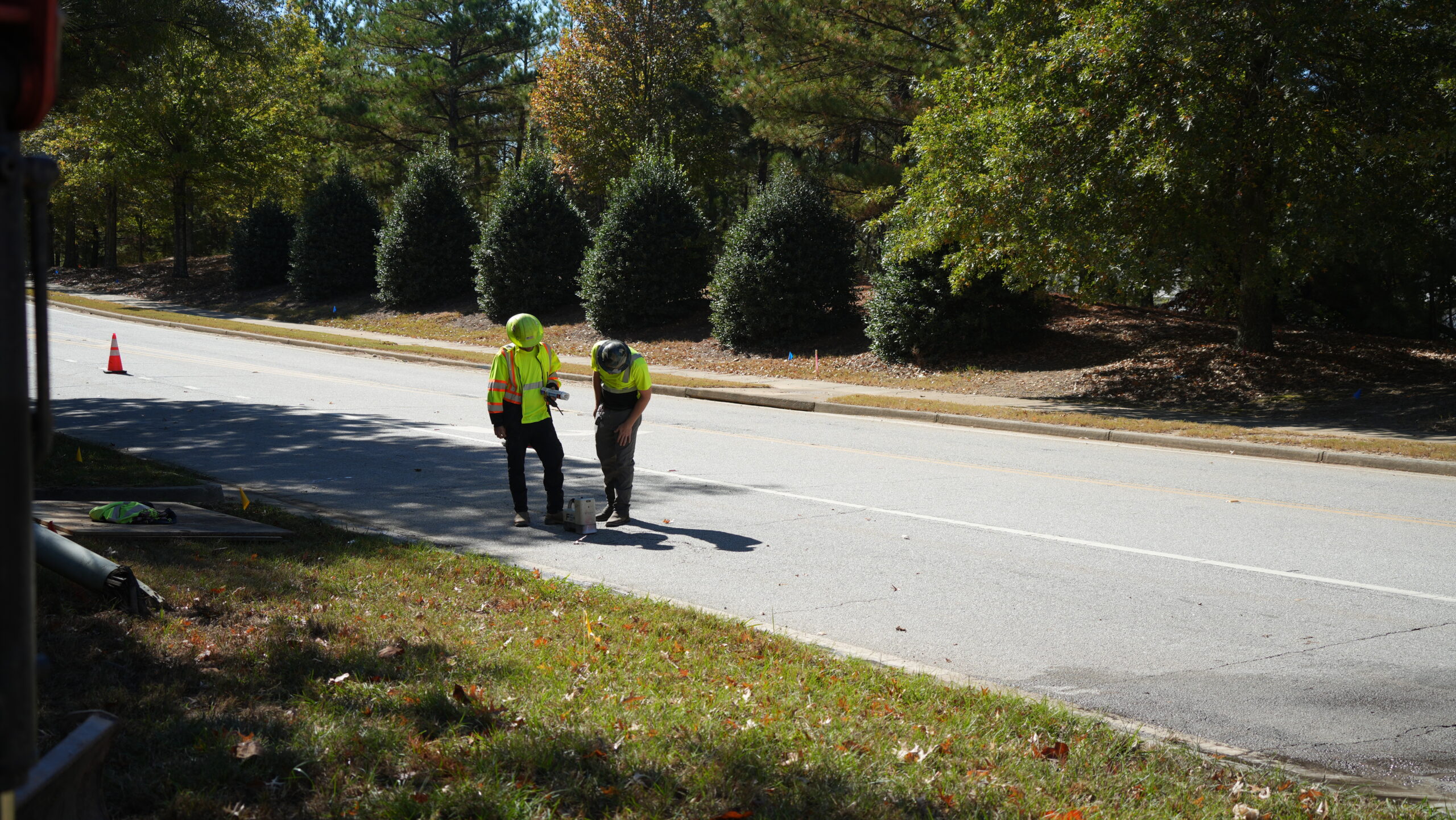
No two underground utility projects are alike, especially in the Appalachian region. Ground conditions can change quickly, existing utilities may be tightly packed together, and every project presents its own logistical challenges.
At Graves Directional Drilling, we've completed projects throughout the Southeast in both urban environments and mountain communities. From downtown utility work in Athens to complex installations in the Atlanta area and projects across the region, we've helped contractors, municipalities, and utility providers install the infrastructure that supports continued growth.
Looking Ahead
The Appalachian region continues to attract new residents, employers, and investment. That growth will require continued expansion of underground infrastructure to support new homes, businesses, schools, hospitals, and industries.
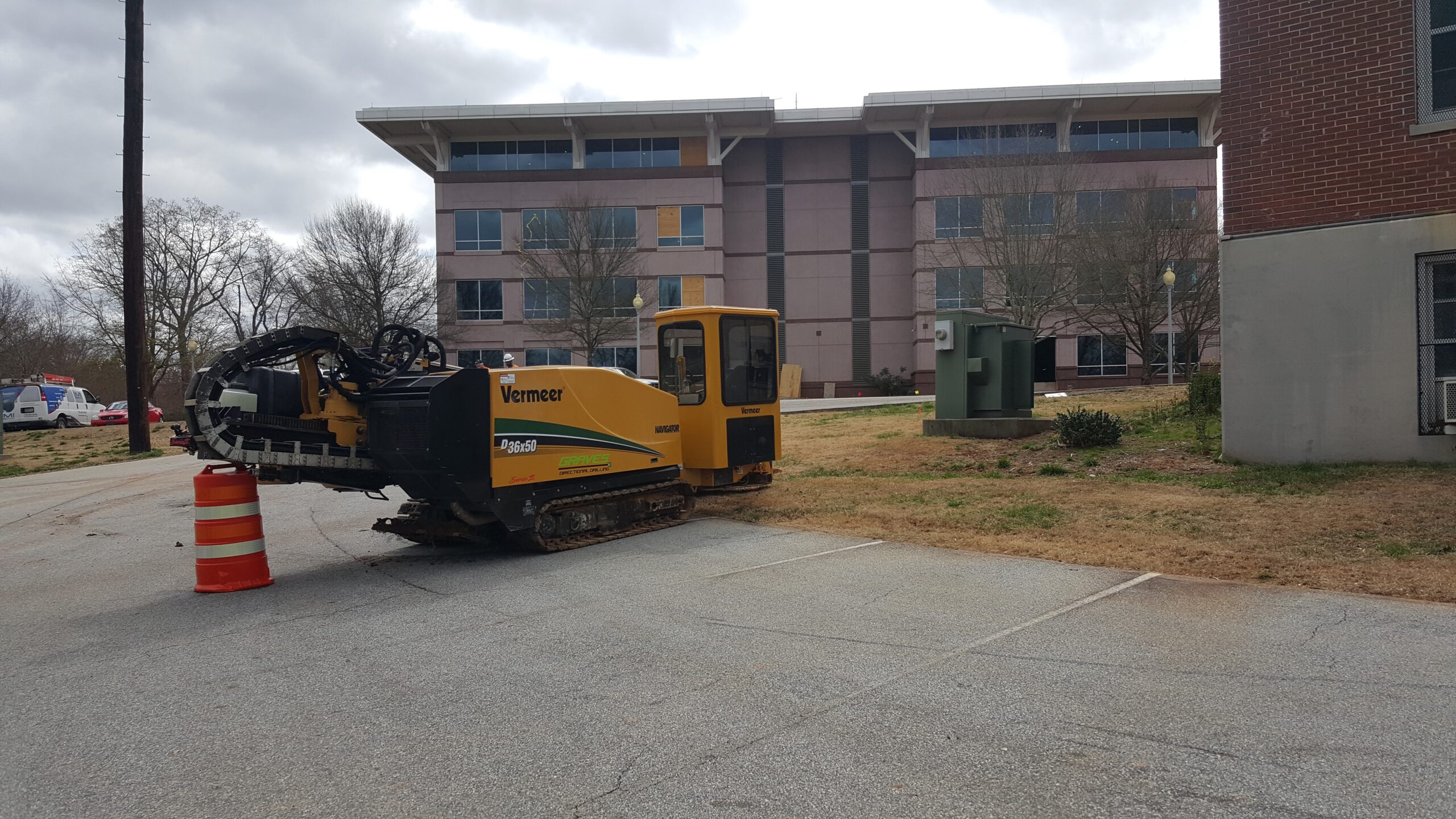
As communities evolve, directional drilling will continue to play an important role in building the underground utility systems that make that growth possible, while helping preserve the roads, landscapes, and natural beauty that make the region such a desirable place to live.