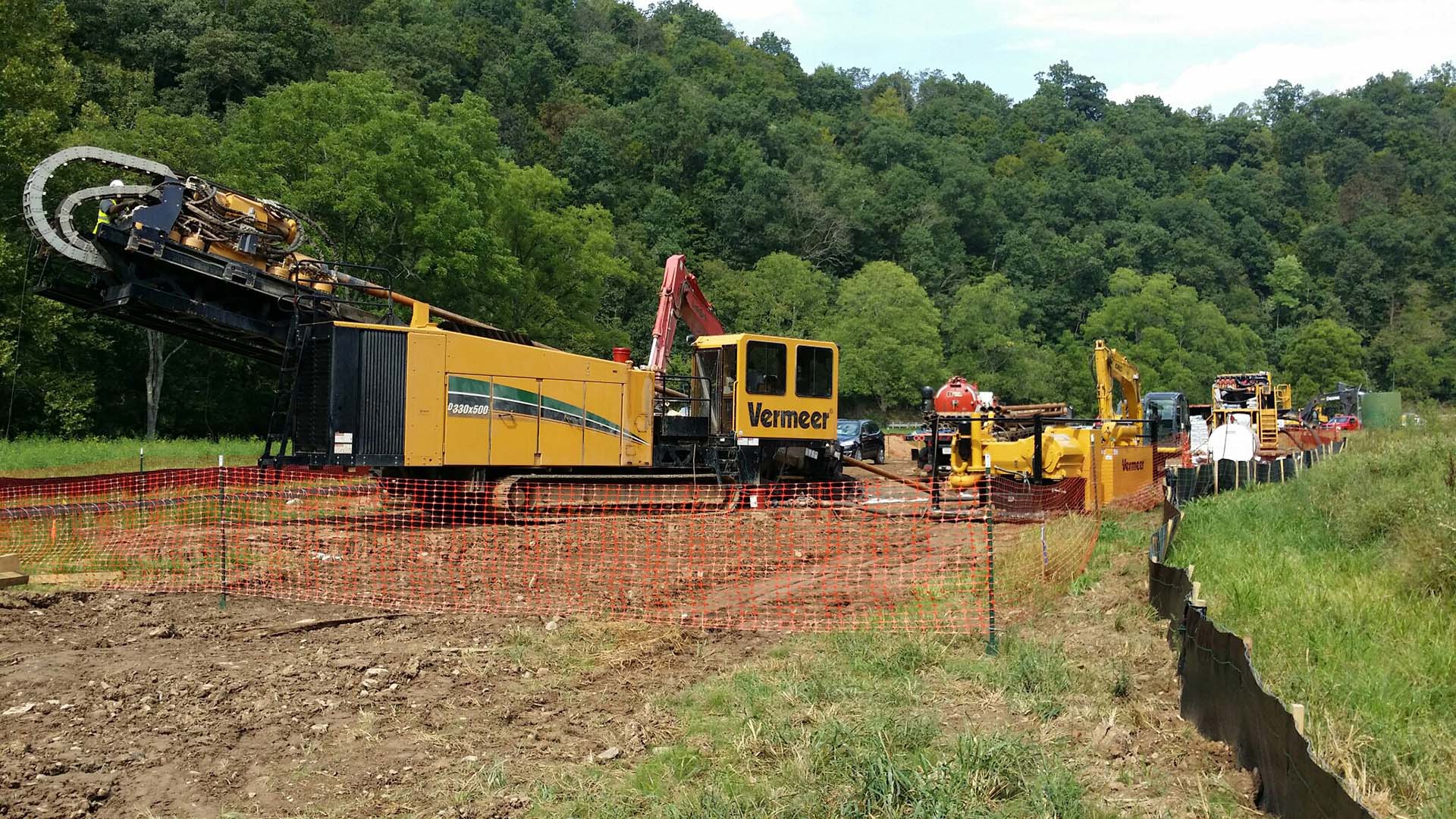

As communities throughout the Southeast continue to grow, utility providers face a unique challenge: how do you expand critical infrastructure in areas where mountains, rock formations, steep slopes, and difficult terrain stand in the way?
From Lookout Mountain and Chattanooga to Clayton, Athens, Asheville, and countless growing communities throughout the region, the demand for underground utilities continues to increase. New residential developments, commercial projects, fiber networks, electrical infrastructure, water systems, and natural gas lines all require reliable underground installation methods that can adapt to challenging ground conditions.
That's where Horizontal Directional Drilling (HDD) comes in.

The Challenge of Building Infrastructure in Mountain Communities
Many of the fastest growing communities in the Southeast are located in areas that weren't necessarily designed for rapid expansion. Mountain towns and foothill communities often have winding roads, steep grades, dense forests, rocky terrain, and limited utility corridors.
Traditional trenching can become extremely expensive and disruptive in these environments. Excavation may require extensive rock removal, road closures, slope stabilization, tree clearing, and significant restoration once the project is complete.
In some locations, trenching simply isn't practical.
Directional drilling allows utilities to be installed underground while avoiding many of these challenges.
Drilling Through Rock and Mountain Terrain
One of the biggest misconceptions about directional drilling is that rocky terrain automatically prevents underground installation.
In reality, experienced HDD contractors routinely work in rock formations and difficult ground conditions throughout the Southeast. While every project requires careful planning and the right tooling, directional drilling often provides a more efficient solution than open excavation when rock is present.
Instead of cutting a trench through a hillside or blasting through large sections of rock, crews can establish a bore path that minimizes surface disturbance while navigating challenging underground conditions.
This makes HDD particularly valuable in areas where preserving existing roads, landscapes, and property is a priority.
Supporting Growth in Areas Like Chattanooga, Clayton, and Beyond
Communities near mountain ranges continue attracting new residents, businesses, and investment. As populations grow, so does the need for upgraded infrastructure.
Projects often include:
- Fiber optic installation
- Telecommunications infrastructure
- Electrical utility expansion
- Water line installation
- Sewer system improvements
- Natural gas utility projects
Many of these installations must cross roads, navigate elevation changes, pass through wooded areas, or work around existing infrastructure.
Directional drilling provides a practical solution that allows utilities to be installed without major excavation across the entire project route.
Preserving Roads, Property, and Natural Landscapes
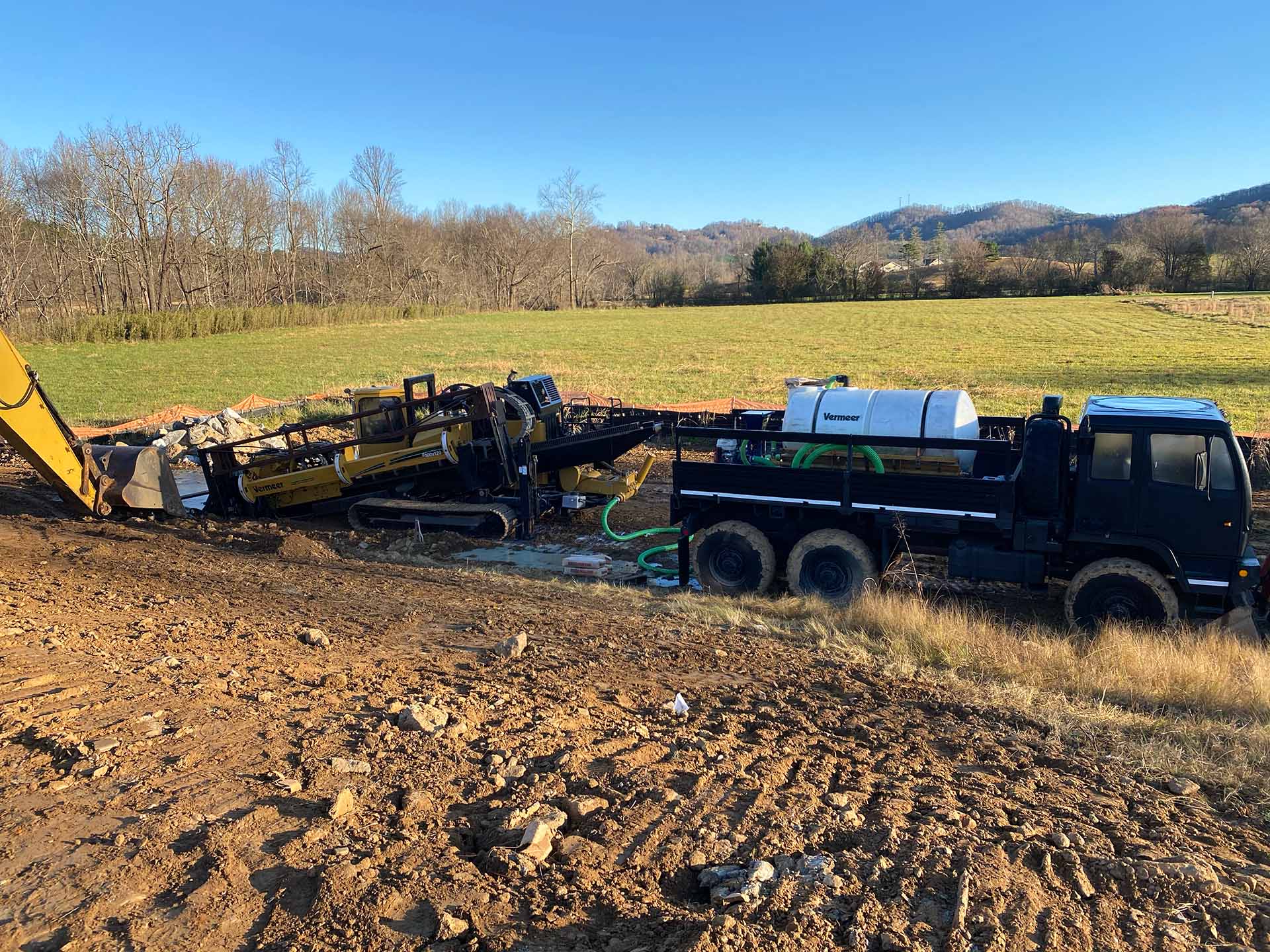
One of the biggest advantages of HDD in mountain communities is its ability to minimize disruption.
Rather than opening long trenches through roads, forests, driveways, and developed areas, directional drilling typically requires only designated entry and exit points. The utility is then installed underground along a planned bore path.
This can significantly reduce:
- Road damage
- Traffic disruptions
- Landscape disturbance
- Erosion concerns
- Restoration costs
- Environmental impacts
For municipalities, developers, and utility providers, that often translates into a smoother project from start to finish.
Experience Matters in Difficult Ground Conditions
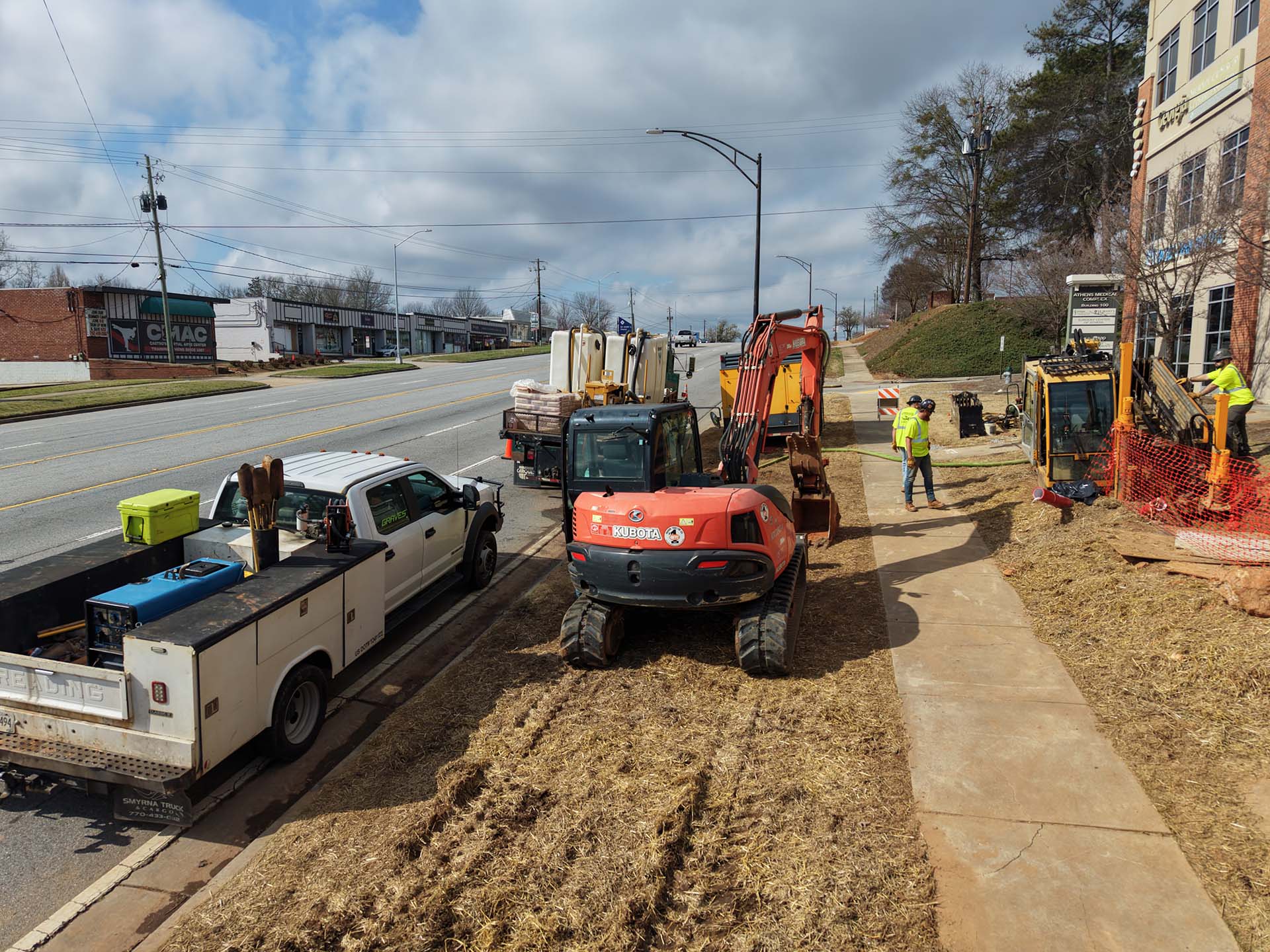
Successful directional drilling projects in mountainous terrain require more than just equipment. They require crews that understand changing soil conditions, rock formations, utility coordination, and complex bore planning.
At Graves Directional Drilling, we've completed projects throughout the Southeast in both urban and rugged environments. From downtown utility corridors to challenging mountain terrain, our team has the experience and equipment needed to help contractors, municipalities, and utility providers expand critical infrastructure safely and efficiently.
As communities continue growing throughout the region, directional drilling will remain one of the most effective tools for bringing modern utilities into areas where traditional excavation methods face significant challenges.